Wine Scholar Guild - Certified Sherry Wine Specialist.
I have successfully passed the Certified Sherry Wine Specialist examination and graduated with highest honours. The Sherry program is created by the House of Lustau, with the support of the Sherry Regulatory Council, and organized online by the Wine Scholar Guild.
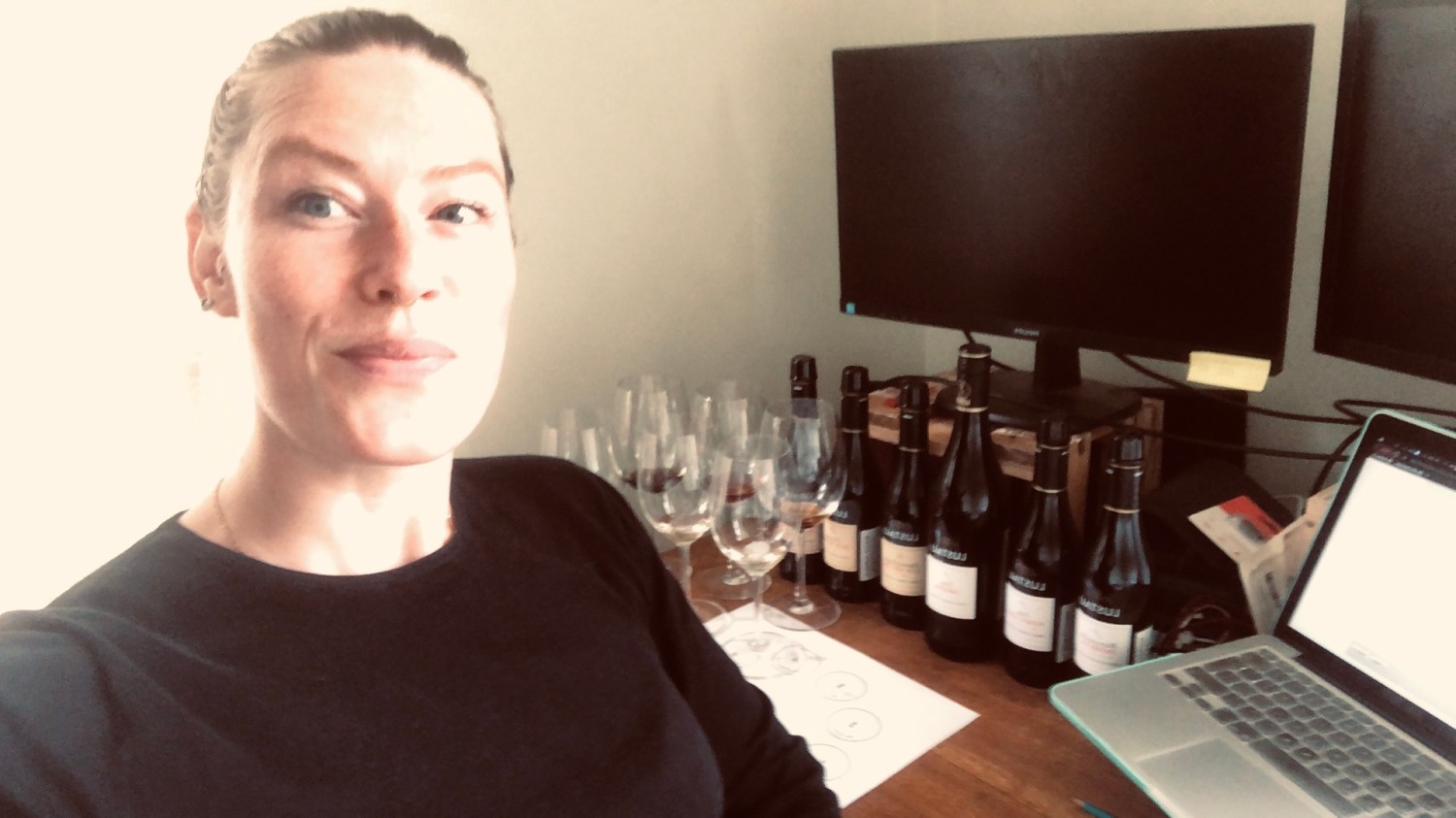
Sherry is a fortified wine from Spain, with a vast variety of styles, from very dry to very sweet. It is also one of my favorite beverages, mainly because it is so incredibly diverse. Despite what many people think, Sherry is not for old people, and it definitely should not be hidden in the corner of a dusty booze cabinet.
Instead, I would invite you to learn more about this fabulous drink. To make this easy, here is the simplest explanation possible. Sherry is made in what is known as the Sherry Triangle, covering the area between the towns of Sanlucar de Barrameda, Jerez de la Frontera, and El Puerto de Santa Maria.
Two Styles to Start With
There are two key types of Sherry to begin with: Fino and Oloroso. Both are made from the Palomino grape and go through a complex and fascinating life before bottling. The main difference is that Fino is biologically aged and Oloroso is aged in an oxidative way.
To prevent the wine from coming into contact with oxygen, Fino is protected by a layer of yeast called flor that sits on top of the liquid. That flor can be very thick, and it can also die off when it no longer has enough nutrients. When the flor has died, the Fino can develop into an Amontillado or a Palo Cortado.
Manzanilla
Another type of Fino is known as Manzanilla, and it can only be produced in Sanlucar de Barrameda. Due to the area's higher humidity and cooler, more constant temperatures, the flor tends to be much thicker there than in the other towns. That gives the wine more protection from oxygen and makes it feel lighter on the palate than Fino.
For me, it tastes the way your lips taste when you are near the ocean: clean, crisp, and slightly salty. Finos tend to be similar, but a little bolder and more structured. Both Fino and Manzanilla are pale, bone dry, and must be aged for a minimum of two years, although most are aged much longer.
Oloroso
Oloroso is not aged biologically and matures oxidatively for its whole life. This style is much richer and fuller-bodied than a Fino, and the color shifts into shades of brown.
All Sherry is fortified before it enters its complex aging process, known as the Solera System. Fino and Manzanilla are fortified to around 15% ABV, because flor cannot thrive above roughly 15.5% alcohol. Oloroso is fortified to 17% ABV to prevent flor from growing.
Solera System
The Solera System is a complex, unique, and dynamic maturation method that uses multiple casks and fractional blending.
Amontillado and Palo Cortado
Both of these Sherries begin life as Fino, or as Manzanilla when aged in Sanlucar de Barrameda. The cellar master makes key decisions during winemaking that determine the final style.
If a cask that was meant to become a Fino tastes too big, bold, or heavy for the house style, it may be fortified to 17% and become an Amontillado. Once that happens, the layer of flor dies and the wine becomes exposed to oxygen.
Palo Cortado will most likely be fortified to 17% before it enters the Fino solera, because the wine already shows itself to be more mature and weighty, while still being more subtle than an Oloroso. It is often said that Palo Cortado has the elegance of an Amontillado on the nose and the body of an Oloroso on the palate.
This is only lifting the veil, pun intended, on the wonderful world of Sherry.
There is much more to reveal, but for now I will enjoy a glass of Oloroso in the sun.
Salud
A small archive piece, but still a lovely invitation into one of the wine world's most distinctive categories.